Revenue
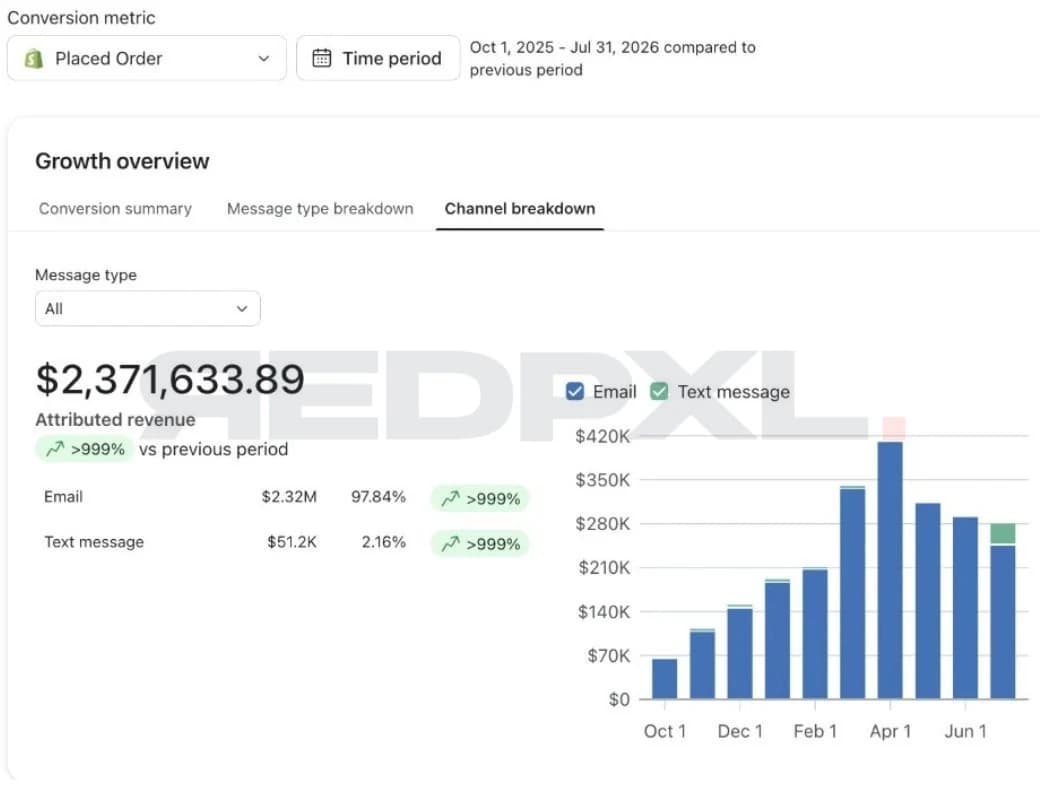
Klaviyo-attributed revenue from email and SMS, October 2025 to July 2026. Email brought in $2.32M (97.84%) and SMS $51.2K (2.16%).
$2.37M
Total attributed revenue ($2,371,633.89)
$1.95M
From 15 automated flows
$423.8K
From campaigns
Case Study · Eyewear retention
Between October 2025 and July 2026, this eyewear brand generated $2,371,633.89 in Klaviyo-attributed revenue from email and SMS.
They already had around 200,000 subscribers. So we weren't starting with a list-building problem. We were starting with a monetisation problem.
How we looked at it
A lot of 8-9 figure brands see a 200k database and think: "How do we get more revenue out of this list?"
We looked at it differently: "How much money is currently being left on the table because we're showing the wrong message to the wrong person?"
That distinction changed the entire strategy.
On paper: 200,000 subscribers. In reality: 200,000 completely different buying situations. Treating all of these people the same is insane. So we started segmenting around behaviour and buying intent. Not arbitrary demographic segments that look nice in a CRM dashboard. Actual behaviour.
If you're selling supplements, you can roughly predict when someone is going to run out. Eyewear doesn't work like that. Nobody wakes up on day 30 thinking: "Shit. I'm out of sunglasses." The next purchase needs a reason. So instead of "When will this person run out?" we built it around "What could create the next purchase?"
15 automated flows generated $1,947,811.09. That's 82.1% of the total attributed email + SMS revenue. This is the number I care about most, because it tells you we weren't dependent on constantly finding another reason to blast the database. The infrastructure was doing the work. The flow names aren't the strategy. The logic behind them is.
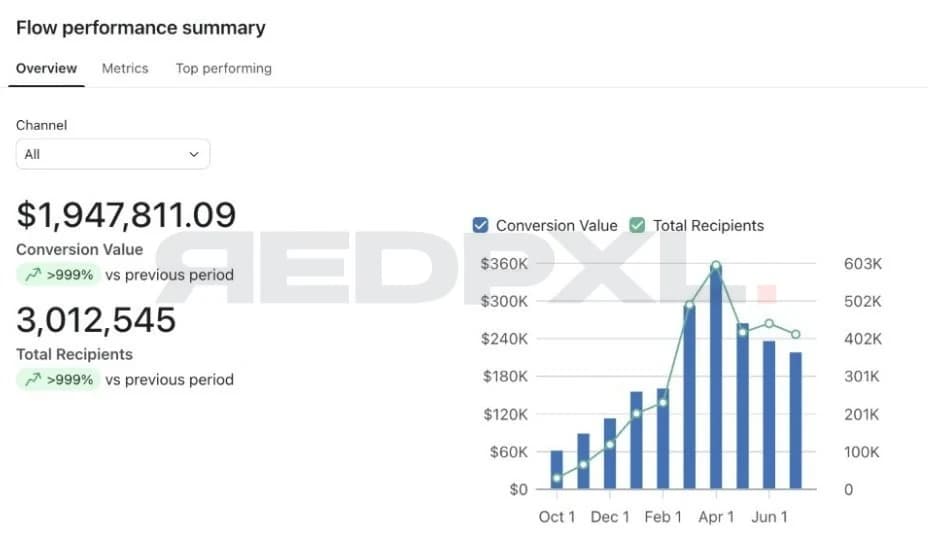
$1,947,811.09
From 15 automated flows, Oct 2025 to Jul 2026
"Thanks for your order." Then "Leave us a review." Then "Here's 15% off." That's not retention. That's just continuing to email someone who already bought. We mapped first purchase → next likely purchase → timing → product combination → customer value, and fed it into the CRM. Because the first order isn't just revenue. It's data.
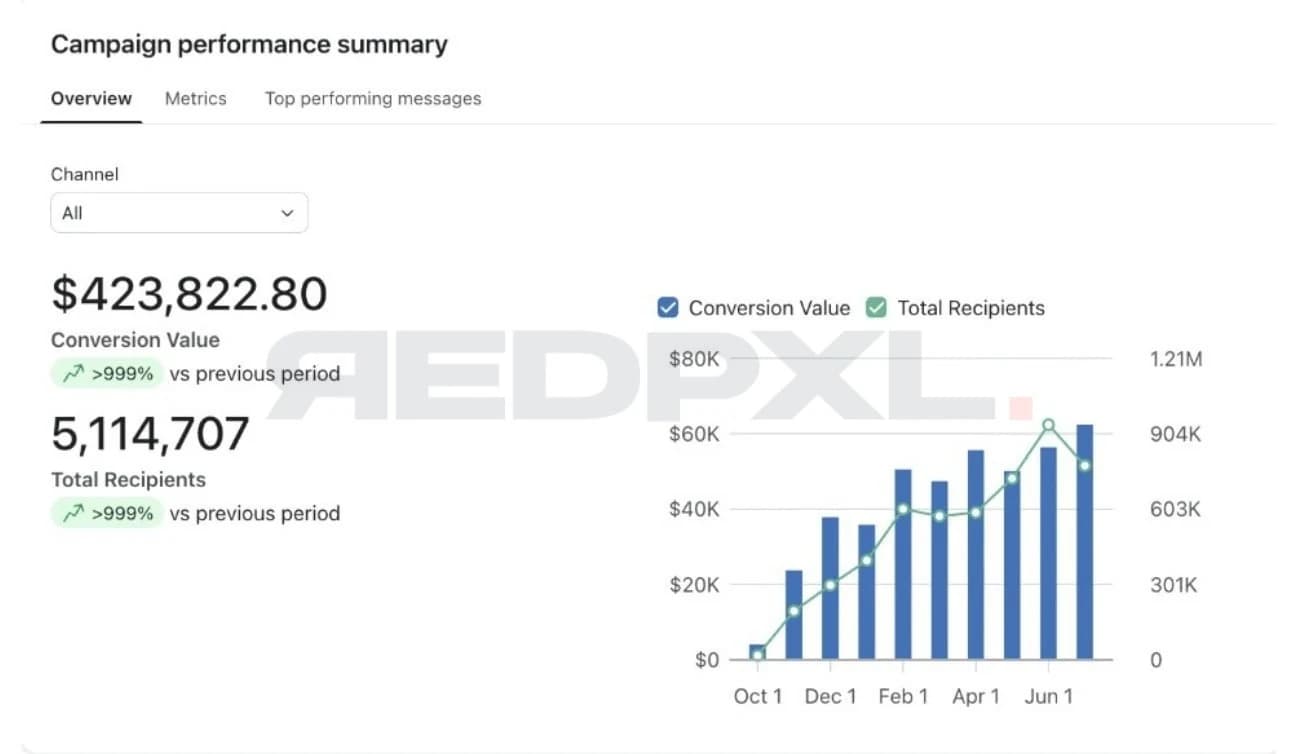
Campaigns generated another $423,822.80. And we absolutely still used campaigns. Just not: "It's Tuesday. Send the newsletter." A campaign to someone who has never purchased should not necessarily look like a campaign to someone who has bought three times. That's where a lot of the easy money is hiding.
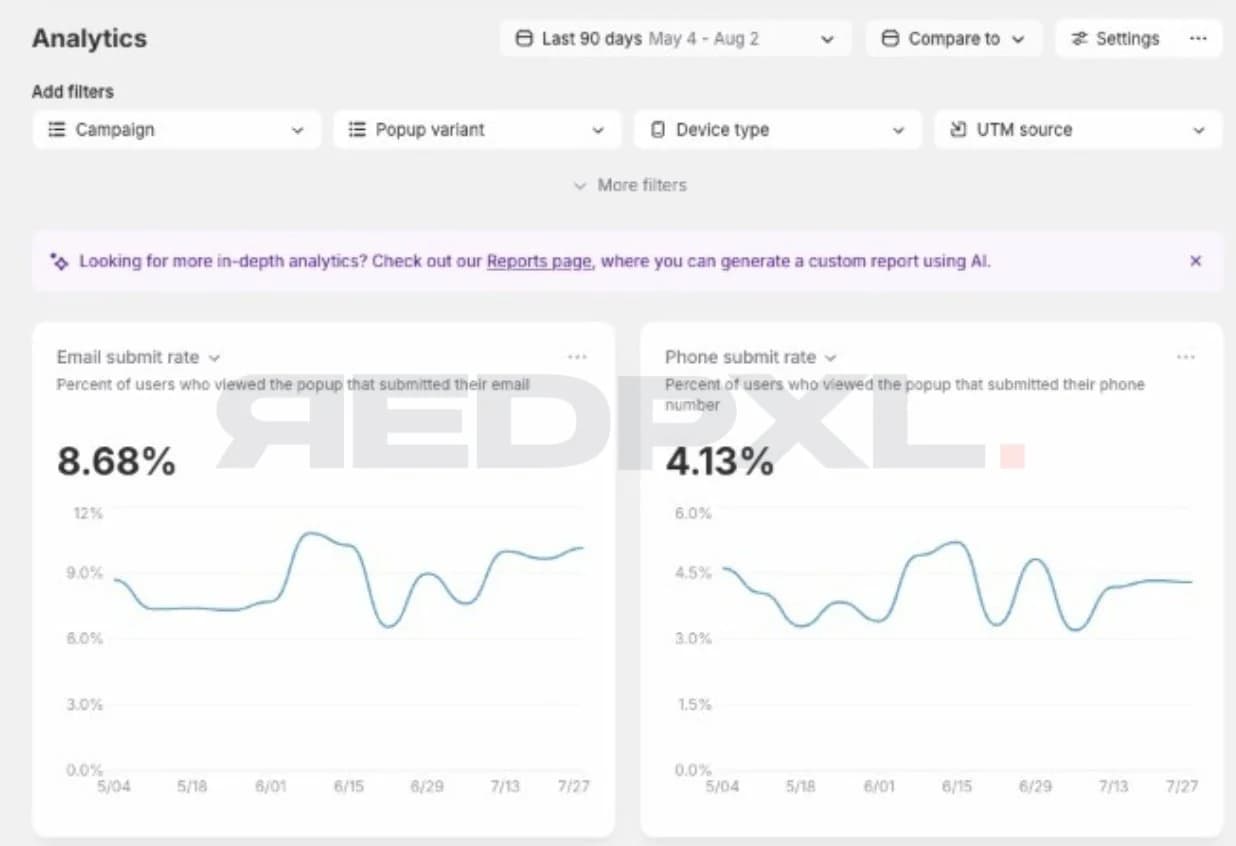
The brand's email signup rate was around 4%. We didn't just accept that as "normal." We tested the hell out of it: scratch-off offers, mystery offers, quiz-based forms, popup timing, discounts, triggers, popup vs no popup, Klaviyo forms vs Alia. You haven't increased ad spend. You haven't increased traffic. You've simply become better at capturing the traffic you're already paying for.
4% → 8.68%
Email signup rate
2.17x
Increase in signup rate
4.13%
Phone submit rate
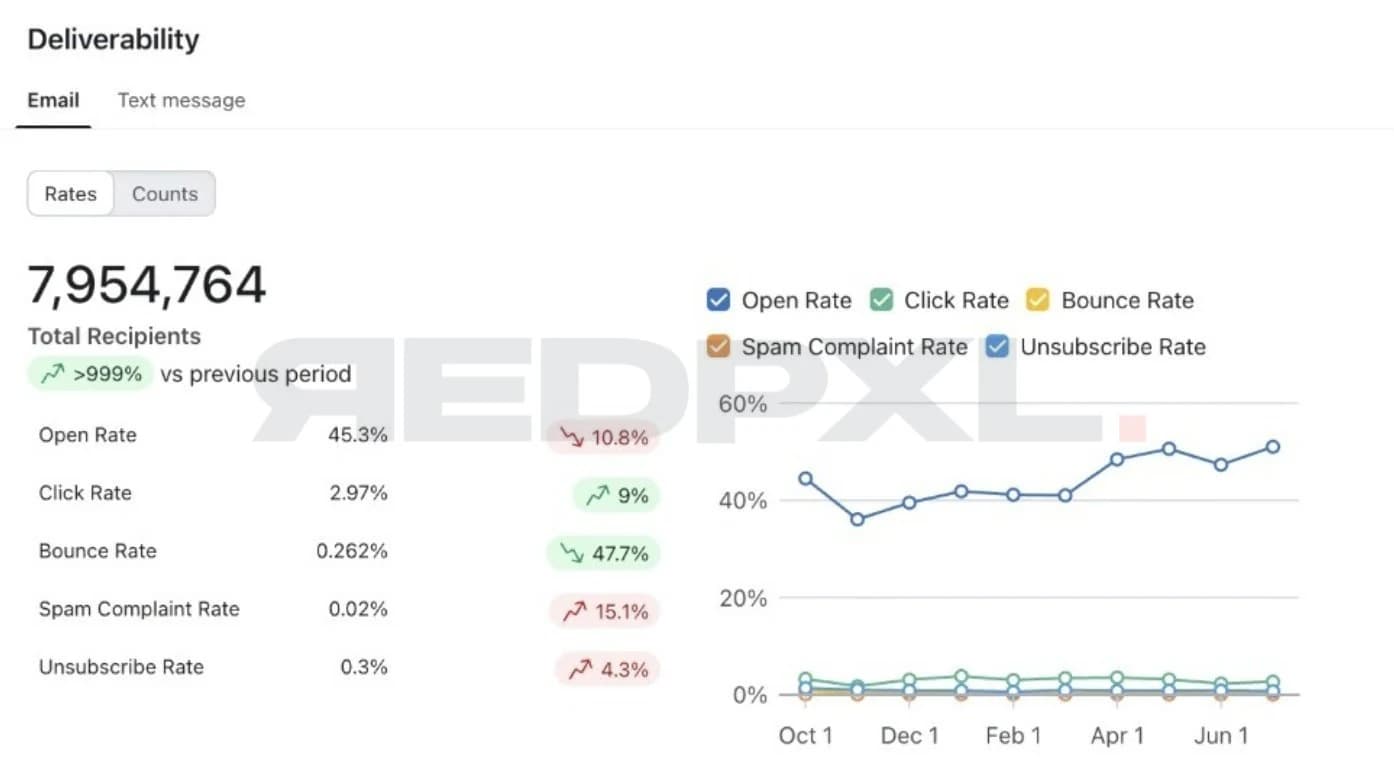
A brand can make more money this month by sending more. Then engagement deteriorates, spam complaints increase, and six months later the channel is worth less than it was before. We didn't want a temporary revenue spike. You don't want to squeeze £5 out of someone today if you're damaging your ability to make £500 from them over the next two years.
7.95M
Cumulative recipients
45.3%
Open rate
2.97%
Click rate
0.262%
Bounce rate
0.02%
Spam complaint rate
Revenue
Klaviyo-attributed revenue from email and SMS, October 2025 to July 2026. Email brought in $2.32M (97.84%) and SMS $51.2K (2.16%).
$2.37M
Total attributed revenue ($2,371,633.89)
$1.95M
From 15 automated flows
$423.8K
From campaigns
Capture
More of the traffic the brand already paid for became subscribers, feeding every flow behind it.
8.68%
Email signup rate, up from about 4%
2.17x
Signup rate increase
4.13%
Phone submit rate
List health
The list grew in value without being worn out, across 7.95M cumulative recipients.
45.3%
Open rate
2.97%
Click rate
0.02%
Spam complaint rate
We changed who gets the message, what they see, when they see it, why they're seeing it, and what happens after they purchase. That's the difference between running email as a marketing channel and running it as a customer revenue system. How much more money can we make from the demand we've already paid for? That's the game.
Contact us
Send the numbers you have and the target you are working to. We will tell you plainly whether we can help.